
Table of Contents
In Chinese culture, certain years are approached with extra care and attention. One of the most widely discussed is Ben Ming Nian, commonly referred to as your zodiac birth year. It is often labeled as an “unlucky year,” but this description oversimplifies a much more nuanced cultural idea.
Traditionally, Ben Ming Nian is not about predicting misfortune. It reflects how time, personal cycles, and change are understood in Chinese culture. It is seen as a sensitive year, when shifts in life may feel more noticeable and decisions tend to carry greater weight. Understanding this perspective helps separate cultural symbolism from superstition.

What Is Ben Ming Nian?
Ben Ming Nian refers to the year in which your Chinese zodiac animal returns in the lunar calendar. The Chinese zodiac follows a 12-year cycle, with each year represented by one of twelve animals. When the cycle reaches the same animal as your birth year, that year becomes your Ben Ming Nian.
For example, someone born in the Year of the Dragon will encounter their Ben Ming Nian every twelve years, whenever the Dragon year comes around again. This concept is rooted in the Chinese lunar calendar and traditional timekeeping, rather than Western astrology.
Culturally speaking, Ben Ming Nian marks a personal cycle overlap. The symbolic energy associated with one’s birth year coincides with the energy of the present year. This overlap is not automatically considered lucky or unlucky, but it is traditionally viewed as intensified.
Why Is Ben Ming Nian Considered a Sensitive Year?
The Role of Tai Sui in Traditional Beliefs
One of the key ideas behind Ben Ming Nian is Tai Sui, often translated as the Grand Duke Jupiter. In traditional belief systems, Tai Sui represents the governing force of a given year, responsible for order, rhythm, and balance within time.
When a person’s zodiac animal matches the zodiac of the year, it is believed that they come into closer alignment with Tai Sui. Culturally, this is described as being under stronger influence or attention—similar to standing directly under a spotlight.
Tai Sui is not viewed as a force that brings punishment. Instead, it represents authority and structure. The concern is not harm, but the possibility of imbalance when personal energy and yearly energy coincide too closely.
A Year of Visibility, Not Punishment
From this perspective, Ben Ming Nian is often described as a year of greater visibility rather than misfortune. Personal choices, changes, and responsibilities may feel more pronounced than usual.
This belief shaped how people traditionally approached the year:
- Plans were made more deliberately
- Major decisions were taken with added caution
- Personal conduct and routine were given more attention
Rather than encouraging fear, Ben Ming Nian functioned as a reminder to slow down, reflect, and move forward with awareness.

What Do People Traditionally Pay Attention To During Ben Ming Nian?
In traditional Chinese culture, Ben Ming Nian is associated with being more mindful across different areas of life:
- Career and responsibilities: pressure or transitions may feel more noticeable
- Relationships: communication and emotional balance are emphasized
- Health awareness: maintaining routine and rest is considered important
- Financial decisions: caution is favored over impulsive risk-taking
These associations do not imply that negative events are inevitable. Instead, they reflect a belief that change tends to surface more easily, making preparation and awareness especially valuable.
Common Traditions and Cultural Practices
Wearing Red as a Protective Symbol
In Chinese culture, red is associated with vitality, protection, and celebration. Wearing red clothing or accessories during Ben Ming Nian is a symbolic practice meant to reinforce stability and positive intention.
Rather than acting as a magical solution, red serves as a visible reminder of protection and resilience, reinforcing a mindset of confidence during a sensitive year.
Talismans and Ritual Objects
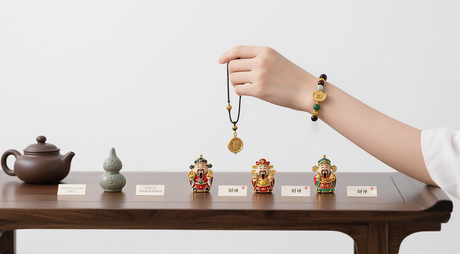
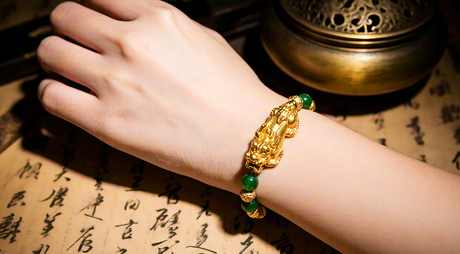
Some people choose to wear zodiac charms or talismans connected to Tai Sui. These objects are traditionally understood as symbols of respect and balance, not guarantees of good fortune.
Temple visits or simple rituals are often treated in a similar way—not as attempts to control outcomes, but as moments of reflection and grounding during a year associated with heightened awareness.

Is Ben Ming Nian Always a Bad Year?
This is one of the most common questions surrounding Ben Ming Nian. From a cultural standpoint, the answer is no.
Many people experience important milestones during their Ben Ming Nian, such as:
- career changes
- marriage or family developments
- personal reassessment and growth
The difference lies less in what happens and more in how the year is approached. Traditionally, Ben Ming Nian encourages thoughtful action rather than avoidance.
In modern interpretations, it is often described as a year that amplifies existing patterns. Awareness and intention become more important than fear.
How Modern Chinese View Ben Ming Nian Today
Today, perspectives on Ben Ming Nian vary widely. Younger generations and overseas Chinese communities often view it through a cultural or psychological lens rather than as a literal belief.
For many, Ben Ming Nian represents:
- a marker of cultural identity
- a reminder to be more mindful during the year
- a symbolic checkpoint for reflection and planning
Even those who do not actively follow the traditions may still acknowledge Ben Ming Nian as part of shared cultural heritage.
Final Thoughts: What Ben Ming Nian Means Today
At its core, Ben Ming Nian is not a year to fear. It is a culturally meaningful moment within the Chinese zodiac cycle that emphasizes awareness, balance, and intentional living.
Rather than predicting misfortune, it invites reflection. In modern life, its value lies less in superstition and more in its reminder that certain periods deserve extra care and attention.
Approached with understanding, Ben Ming Nian becomes not a warning—but an opportunity.