
Chinese Red Envelopes: Meaning, History, and the Tradition Behind Lucky Money
At first glance, Chinese red envelopes may look like a simple holiday cash gift — a small red packet with neatly folded bills exchanged during Chinese New Year. But in...

Email subscribers get a 10% discount!


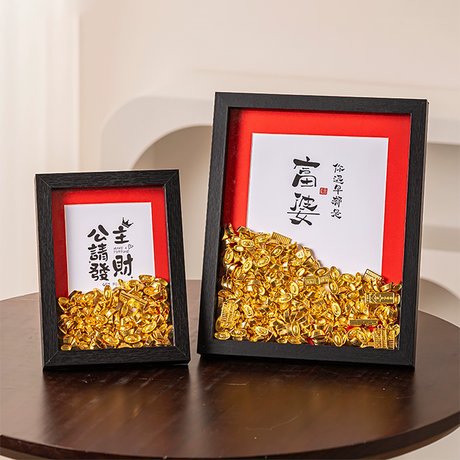
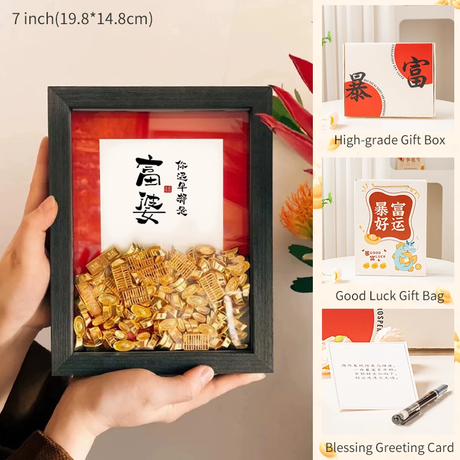
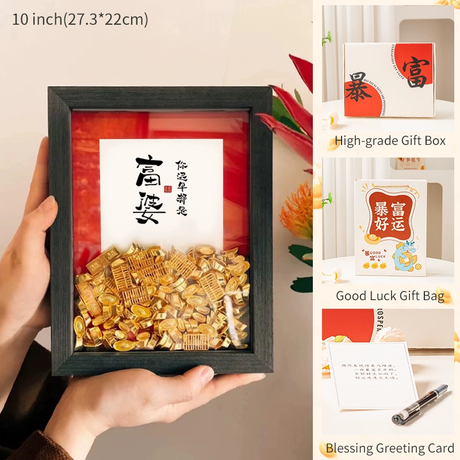
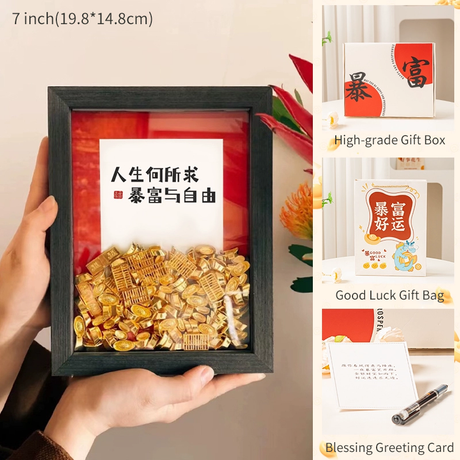
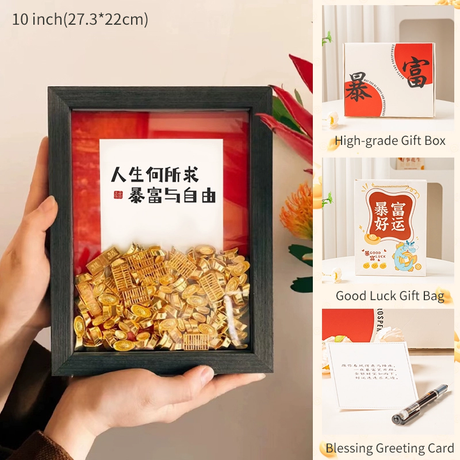
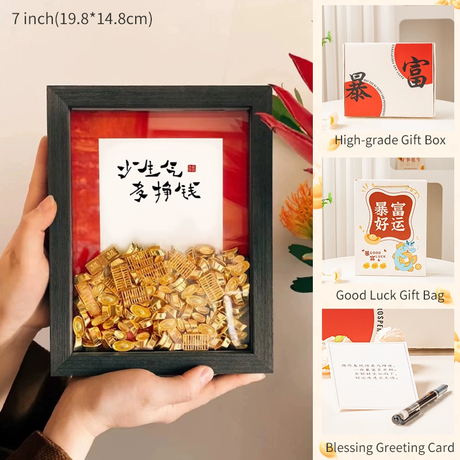
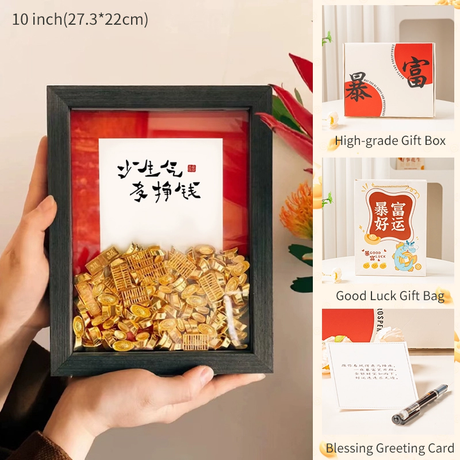
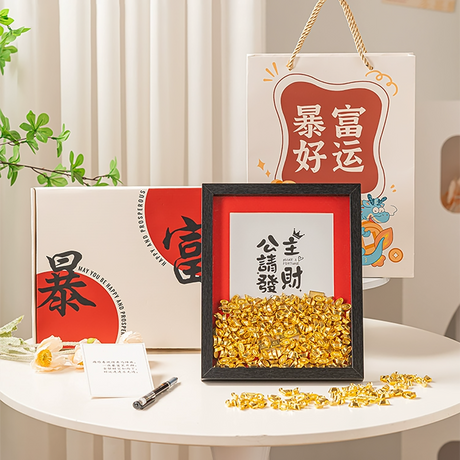
Birthday Gift Ideas for Sisters Get Rich Chinese New Year Ornament
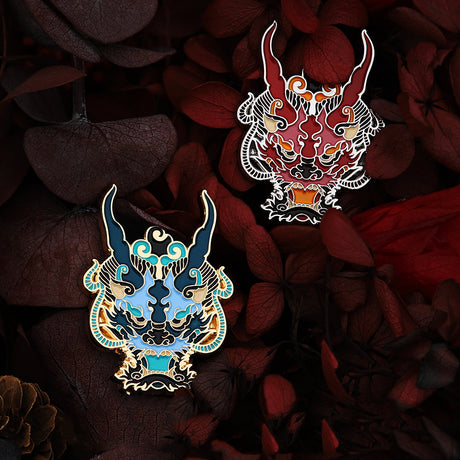
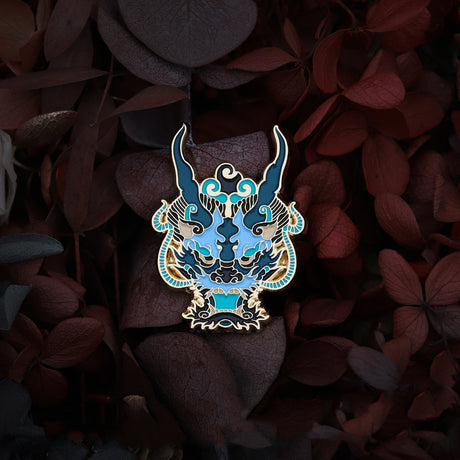
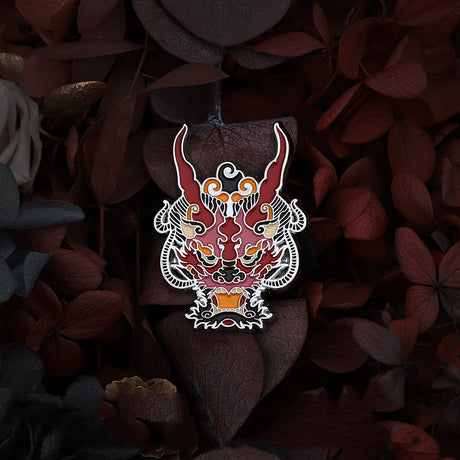
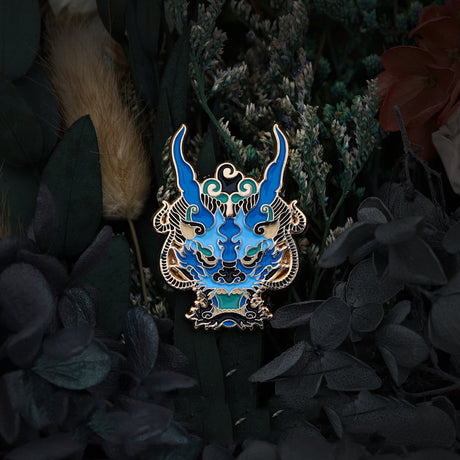
Chinese Dragon Enameled Metal Brooch Original Chinese Style Accessories


Chinese New Year 2025 Building Block Dragon Dance LED Lighting Group


Women's Antique Style Luminous Lantern Tassel Hairpin


Red Female Antique Crystal Flower Hairpin Hanfu Ancient Costume Accessories


Antique Hairpin Cute Rabbit Lantern Fringed Edge Clip Girl Retro Clip Headdress
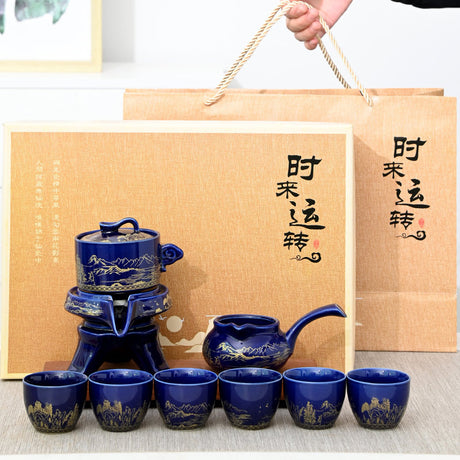
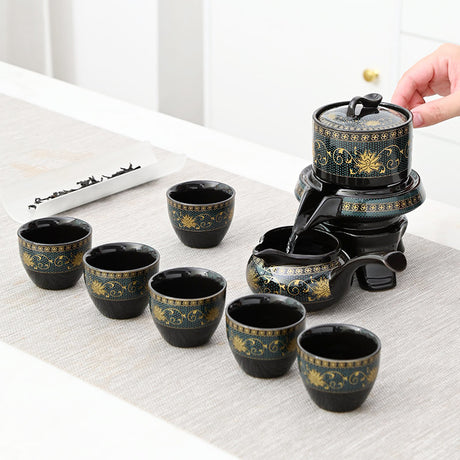
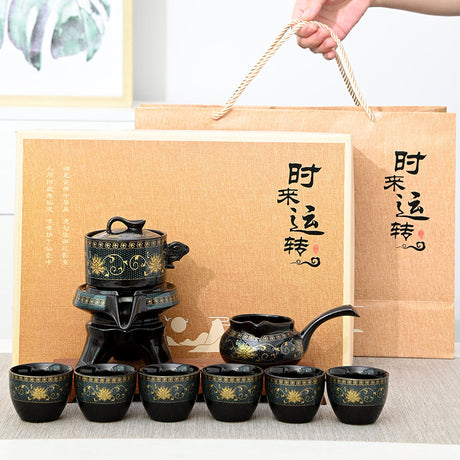
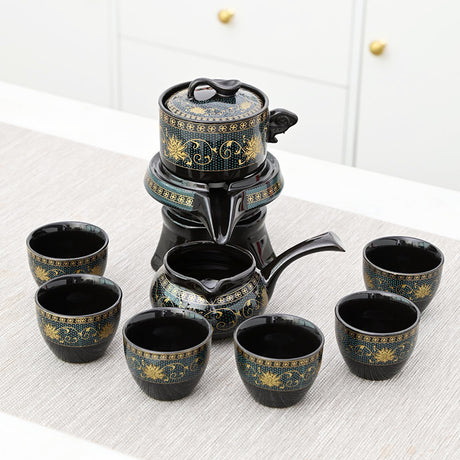
Good Luck Comes Tea Cup Kung Fu Tea Set Suit
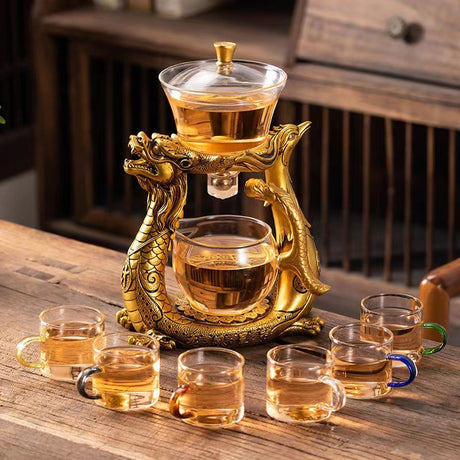
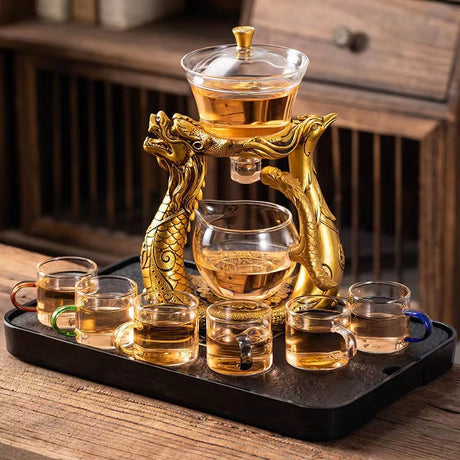
Tea Maker Household Semi-automatic Dragon and Phoenix Glass Teapot
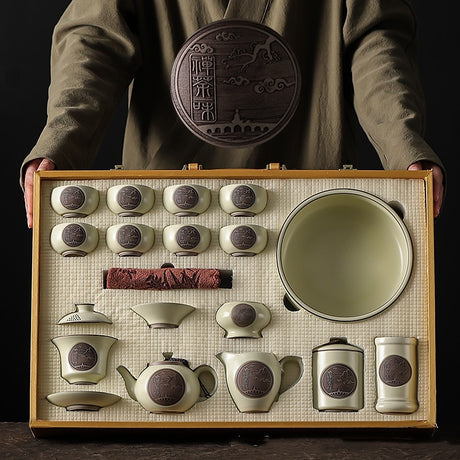
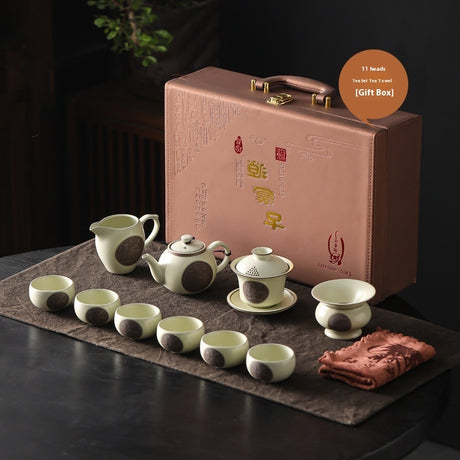
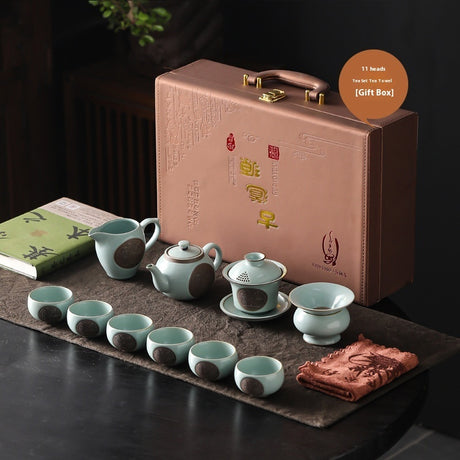
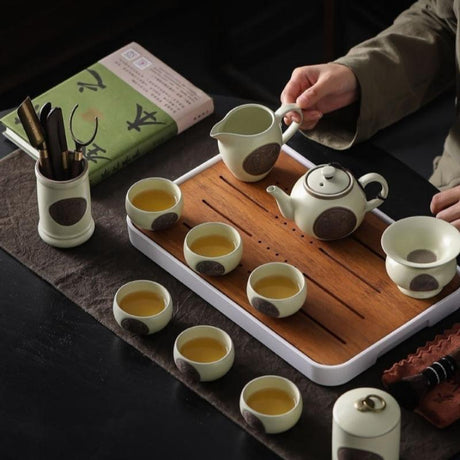
Household Porcelain Opening Film Ceramic Teapot Set


Cartoon Style Chinese Southern Lion Head Tassel Keychain


Chinese New Year Lantern Firecracker Cute Tiger Head Doll Keychain


Creative Fashion Small Dragon Chinese New Year Keychain


Creative Festive Chinese New Year Red Lantern Keychain


Fashions Joyful Chinese Loong Couple Gift Keychain


New Chinese Waking Lion Ceramic Mobile Phone Holder


Jingdezhen Enamel Kung Fu Tea Ceramic Teacup
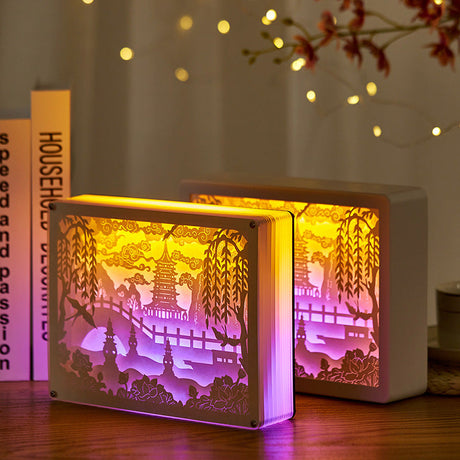
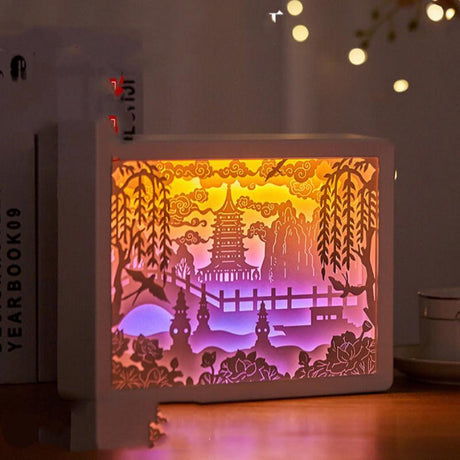
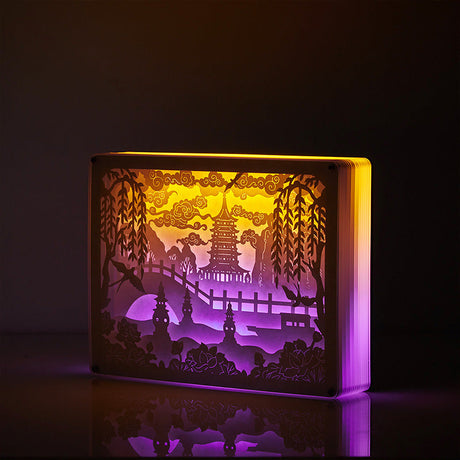
Bedside Eye Protection Hangzhou West Lake Paper Sculpture Night Light
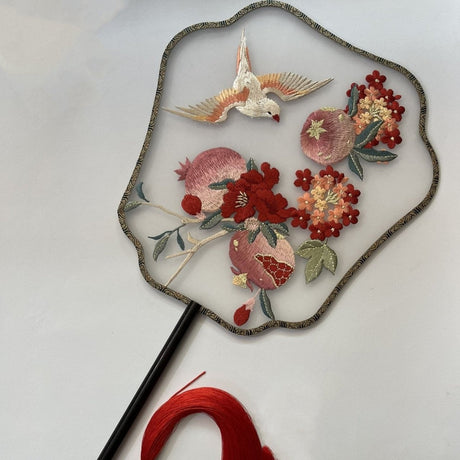
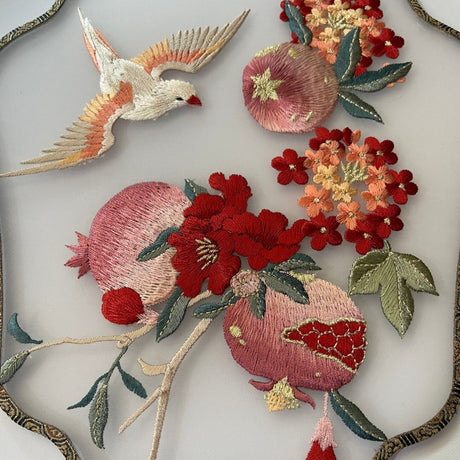
Magpie and Pomegranate Embroidered Sandalwood Round Fan Neoclassical


Festive Zodiac Year Paper-cut Red Rabbit Earrings


New Chinese Waking Lion S925 Silver Agate Agate Pearl Earrings
In 2026, Lunar New Year begins on February 17, marking the start of the Year of the Horse in the Chinese zodiac.
Lunar New Year—also commonly called the Spring Festival—is the most important traditional holiday in China and is widely celebrated across many Asian communities around the world. The celebration usually lasts 15 days, starting on New Year’s Day and ending with the Lantern Festival. In China, it is also an official public holiday, with many businesses closing so families can reunite.
The holiday centers around family, renewal, and good fortune. In the days leading up to the New Year, people clean their homes to symbolize sweeping away bad luck from the previous year. Homes are decorated with red lanterns, paper cuttings, and Spring Festival couplets, as red is believed to bring prosperity and happiness. On New Year’s Eve, families gather for a large reunion dinner that often includes symbolic dishes such as dumplings, fish, and rice cakes—each representing wealth, abundance, or growth.
Other traditions include giving red envelopes (hongbao) filled with money to children and unmarried family members, setting off fireworks to ward off bad spirits, and visiting relatives to exchange well wishes for health, success, and prosperity in the year ahead.
The Chinese zodiac sign for 2026 is the Horse. More specifically, 2026 is the Year of the Fire Horse, which begins on February 17, 2026, and runs through February 5, 2027.
The Chinese zodiac follows a 12-year cycle, with each year represented by a different animal: Rat, Ox, Tiger, Rabbit, Dragon, Snake, Horse, Goat (Sheep), Monkey, Rooster, Dog, and Pig. In addition to the animal sign, each year is also connected to one of the five elements—Wood, Fire, Earth, Metal, and Water—creating a 60-year cycle. In 2026, the Horse is paired with the Fire element, which is associated with passion, energy, confidence, and strong leadership qualities.
People born in the Year of the Horse are often described as energetic, independent, adventurous, and hardworking. They tend to be natural leaders who enjoy freedom and thrive in dynamic environments. When combined with the Fire element, these traits are believed to become even more intense—Fire Horses are often seen as bold, charismatic, and highly driven individuals.
In Chinese culture, zodiac signs are more than just symbolic animals. They play a role in traditions, gift-giving, decorations, and even personal compatibility readings. During Lunar New Year celebrations, you’ll often see themed decorations, red envelopes, and keepsakes featuring the zodiac animal of the year. In 2026, expect to see plenty of horse-themed designs symbolizing strength, momentum, and forward progress.
It’s also important to note that the Chinese zodiac year begins on Lunar New Year—not January 1. That means anyone born before February 17, 2026, would still belong to the previous zodiac sign (the Dragon), while those born on or after that date would be considered Horses.
No. Chinese New Year follows the lunar calendar, so the date changes every year. It usually falls between January 21 and February 20.
Not at all. While it’s the most important holiday in China, it’s also widely celebrated in countries like Vietnam, Singapore, South Korea, Malaysia, and by Asian communities around the world.
The celebration traditionally lasts 15 days, ending with the Lantern Festival.
In China, the holiday is officially known as the Spring Festival because it marks the end of winter and the beginning of a new agricultural season.
Each year is represented by one of 12 zodiac animals, and each animal is believed to influence personality traits and fortune for that year.
Red symbolizes luck, happiness, and prosperity. It’s believed to ward off bad luck and evil spirits.
Red envelopes (hongbao) contain money and are given to children and unmarried adults as a symbol of good wishes and blessings.
Fireworks are traditionally used to scare away evil spirits and welcome good fortune for the new year.
Yes. Families thoroughly clean their homes before the holiday to sweep away bad luck from the previous year.
Cleaning on New Year’s Day is believed to sweep away newly arrived good luck.
Foods like dumplings, fish, rice cakes, and longevity noodles are common because they symbolize wealth, abundance, and long life.
Yes. It’s considered the largest annual human migration, as millions of people travel home to reunite with family.
Absolutely. Homes are decorated with red lanterns, paper cuttings, and couplets with lucky phrases.
It marks the final day of the celebration. People light lanterns, eat sweet rice balls (tangyuan), and enjoy cultural performances.
Yes. Dragon and lion dances are performed to bring good luck and positive energy.
Many people wear new clothes, often in red, to symbolize a fresh start.
Both celebrate a new beginning, but Chinese New Year places a much stronger emphasis on family traditions and symbolic customs.
The reunion dinner on New Year’s Eve is the most important meal of the year, bringing extended family together.
Yes. Avoiding arguments, negative words, and breaking objects is believed to protect good fortune.
No. Traditions vary by region and culture, though the themes of family and renewal remain consistent.
At its heart, Chinese New Year is about family, renewal, gratitude, and hope for prosperity in the year ahead.
The most common and widely accepted greeting is “Happy Chinese New Year!” In more multicultural or international settings, many people also say “Happy Lunar New Year!” since the holiday is celebrated in several Asian countries, not just China.
If you’d like to say it in Mandarin Chinese, here are the most popular greetings:
1. Xīn Nián Kuài Lè (新年快乐)
This literally means “Happy New Year.” It’s simple, friendly, and appropriate in almost any situation.
2. Gōng Xǐ Fā Cái (恭喜发财)
This means “Wishing you prosperity” or “Congratulations and be prosperous.” It’s especially common in business settings or when giving red envelopes.
3. Gōng Xǐ Gōng Xǐ (恭喜恭喜)
This means “Congratulations” and is often said in a cheerful, celebratory way.
Which Greeting Should You Use?
With friends or coworkers: “Happy Lunar New Year” or “Xīn Nián Kuài Lè” works perfectly.
In business contexts: “Gōng Xǐ Fā Cái” adds a respectful and prosperous tone.
In formal writing or cards: “Wishing you happiness, health, and prosperity in the Year of the ___.”
A Helpful Tip
Remember that Chinese New Year begins on the lunar calendar, not January 1. It’s best to use these greetings starting on Lunar New Year’s Day and throughout the 15-day celebration period.
No matter which phrase you choose, the most important thing is sincerity. The holiday is centered around family, renewal, and good fortune—so a warm, genuine message is always appreciated.
December 31 is special because it marks the last day of the year on the Gregorian calendar. It’s known as New Year’s Eve, and for many people around the world, it represents closure, reflection, and a fresh start.
December 31 closes out the calendar year. It’s the final chapter before a new one begins. For many Americans, it’s a natural time to pause and look back at what happened over the past 12 months—both the challenges and the accomplishments.
New Year’s Eve is widely celebrated with parties, dinners, concerts, and public countdown events. One of the most famous celebrations in the United States is the ball drop in Times Square in New York City, where thousands gather and millions watch on TV as the clock counts down to midnight.
The countdown to midnight is one of the most iconic traditions. As the clock approaches 12:00 a.m., people count down the final seconds together. When the new year officially begins, it’s common to cheer, hug loved ones, and say, “Happy New Year!”
December 31 is also meaningful because it encourages reflection. Many people think about their goals, relationships, career progress, and personal growth. It’s a natural moment to evaluate what worked and what didn’t.
Another reason the day is special is the tradition of making New Year’s resolutions. These are personal goals people set for the upcoming year—such as improving health, saving money, learning new skills, or strengthening relationships.
More than anything, December 31 symbolizes a fresh start. The idea of turning the page to a new year gives people hope and motivation. It represents opportunity, renewal, and the chance to do things differently.
At first glance, Chinese red envelopes may look like a simple holiday cash gift — a small red packet with neatly folded bills exchanged during Chinese New Year. But in...

Chinese New Year is filled with traditions and symbolic practices that shape how people start the year. From words to actions, certain taboos carry cultural meanings related to luck, family,...

An overview of traditional Chinese New Year greetings and how they are used in different social contexts.

Ben Ming Nian, or the Chinese zodiac birth year, is traditionally viewed as a sensitive period. This article explains its cultural significance, common practices such as wearing red or carrying...